
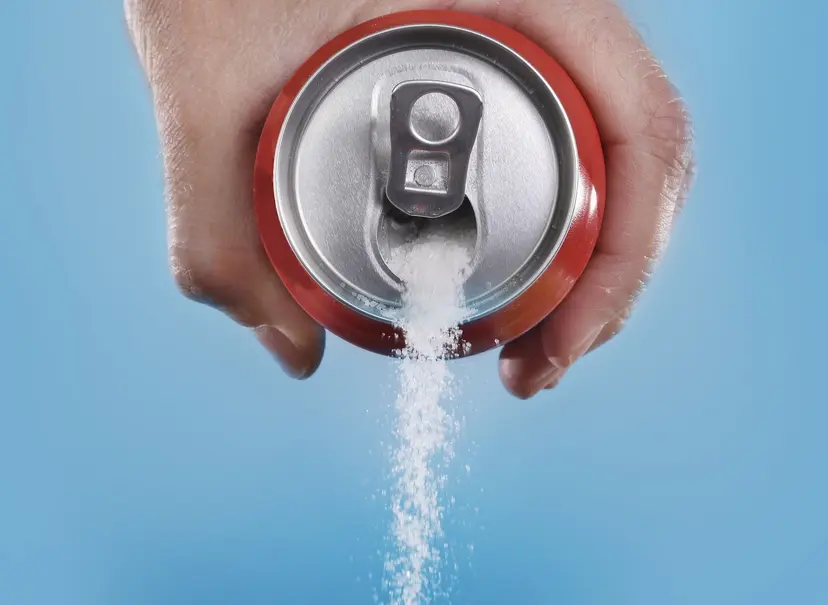
I used to think I was doing everything right.
I skipped desserts. I drank fruit juice, not soda. I ate “whole grain” cereals and low-fat yogurts. My pantry was stocked with “healthy” snacks and protein bars.
But I couldn’t shake the brain fog. The post-lunch crashes. The belly bloat that crept up even though I was hitting the gym and logging my steps.
Then I looked closer.
Not at the calories. Not at the fats.
But at the sugar—and specifically, one kind of sugar: fructose.
That’s when the puzzle started to make sense.
The Sugar That Flies Under the Radar
Fructose sounds harmless. It’s the sugar found in fruit, right?
But the form we’re eating it in today is anything but natural.
See, fructose in fruit comes wrapped in fiber, water, and micronutrients. It’s slow. Gentle. Digestible.
But fructose in your granola bar, your salad dressing, your protein shake, your “natural” juice? That’s refined. Fast. And it hits your liver like a wrecking ball.
Natural vs Refined Fructose
The difference isn’t just the sugar—it’s the context.
- Whole fruit contains fiber that slows absorption
- Processed foods deliver fructose rapidly
- Liquids bypass satiety signals
For more on how food structure impacts metabolism, see this guide on whole foods and metabolic health.
Research from PubMed explains how added fructose behaves differently in the body compared to naturally occurring sources.
What No One Told Me About Fructose
Here’s the part no one talks about enough:
Unlike glucose, which your whole body can use for energy, fructose can only be processed in large amounts by your liver.
What Happens When the Liver Gets Overwhelmed
- It turns that fructose into fat.
- It creates uric acid, increasing your risk of gout and high blood pressure.
- It builds up in the liver as non-alcoholic fatty liver disease (NAFLD), now shockingly common even in kids.
- It triggers insulin resistance, which can lead to Type 2 diabetes, PCOS, and weight gain that feels impossible to control.
All this… from the sweetener in your morning “health drink.”
According to the Cleveland Clinic, excess sugar intake is strongly associated with fatty liver development.
I Drank My Way Into Metabolic Confusion
I used to drink fruit juice post-workout.
I thought I was being “clean.”
But what I was really doing?
Giving my body a fast-tracked sugar injection—one that didn’t raise my blood sugar, but silently raised my fat stores and stressed my mitochondria.
Why Liquid Fructose Is Different
Fructose doesn’t spike insulin.
That sounds good—until you realize it doesn’t signal fullness, either. It doesn’t tell your brain you’ve eaten. It doesn’t activate the brakes.
So, you eat more. You crave more. You gain more.
And like me, you wonder:
“Why am I doing everything right but still feel off?”
You can explore more about this pattern in this article on hidden causes of cravings and fatigue.
The Tipping Point
It was only when I cut out added sugar completely that I noticed the difference.
What Changed
- My energy stabilized.
- My brain fog lifted.
- My cravings vanished.
- The stubborn fat began to melt.
- My blood markers shifted.
The science made sense. But the lived experience? That was the real “aha.”
Harvard Health highlights similar metabolic improvements when reducing added sugars in the diet: The sweet danger of sugar.
What You Can Do (That Actually Works)
I’m not here to fear-monger fruit.
But I am here to say:
Watch your fructose. Closely.
Simple, Practical Steps
- Eat real fruit—but no more than 1–2 servings a day. Fiber slows absorption and limits overload.
- Ditch all sweetened drinks—yes, even juices and “natural” sodas. Drink water, black coffee, or tea.
- Check the labels for hidden sugars. If you see fructose, HFCS, agave, or fruit juice concentrate—it’s a red flag.
- Focus on whole, unprocessed foods. Build meals around protein, healthy fats, and smart carbs.
For deeper strategies, refer to this metabolic health resource.
The CDC also recommends limiting added sugars to support overall metabolic health.
Why This Matters More Than Ever
We live in a world where the food system is stacked against us.
Fructose is cheap. It’s addictive. And it’s everywhere.
Taking Back Control
But once you see it—really see it—you start to take your power back.
If you’ve ever struggled with unexplained weight gain, fatigue, hunger, or metabolic markers that “don’t make sense,” maybe it’s time you did too.
For related insights, explore this post on insulin resistance and metabolism.
The Endocrine Society explains how excess sugar impacts insulin and metabolic pathways.
Final Words: The Enemy Is Not Just Sugar—It’s Fructose
The food industry disguised it with labels like “natural,” “low-fat,” and “heart healthy.”
But the body doesn’t lie.
The Truth
Fructose is the metabolic disruptor hiding in plain sight.
Know it. Spot it. Replace it.
And reclaim your energy—one meal at a time.
FAQ
Here are some common questions based on this discussion.
Is fructose always bad?
No. Fructose in whole fruit is different because it comes with fiber and nutrients that slow absorption.
Why doesn’t fructose make you feel full?
It doesn’t trigger the same satiety signals or insulin response, so your brain doesn’t register fullness effectively.
Can fructose cause weight gain?
Excess fructose can be converted into fat in the liver and may contribute to weight gain over time.
Is fruit juice healthy?
Fruit juice delivers concentrated fructose without fiber, making it easier to overconsume.
What should I avoid on labels?
Look out for fructose, high-fructose corn syrup, agave, and fruit juice concentrate.
What’s the simplest first step?
Eliminating sweetened drinks is one of the most effective ways to reduce fructose intake.